We provide many training opportunities to help you get started quickly, whether you're interested in product exploration or deep training and certification.Dynamics 365 users and Partners,E-learning Courses
Tailored to the needs of businesses or individuals, covering specific modules, features, or business processes
Our Portfolio
Recent Projects
Dynamics 365 FO Training
D365全模块应用及实施开发培训Microsoft Dynamics 365 Finance and Operations 根据客户需求量身定制培训内容
Business Consulting
Consultant 辅助企业诊断与需求调研
Dynamics 365 Development
解决方案包管理:开发、测试和部署全流程。Power Platform Apps Automate ,Power BI 。定制化开发
AI Strategy
Accelerating end-to-end business transformation through Microsoft Business Applications, Cloud and AI Innovation
Testimonials
What clients are say
David leverages deep mastery of Dynamics 365 F&O/AX modules (SCM + finance), integrating procurement, inventory, sales with GL, AP/AR, and cost managementamazing support & service.
Olivia Kevinson
Chief Financial Offer
David optimizes data flow via DMF, EDI, and APIs, ensuring sync between ERP, MES, 3PL, and financial systems
Mitchell Harris
Digital IT Director
he designs end-to-end processes, configures inventory-posting template-GL connections, resolves accounting subject/ voucher issues, and enables real-time tracking of production costs. Post-implementation, he provides training and support to sustain integration efficiency amazing support & service.
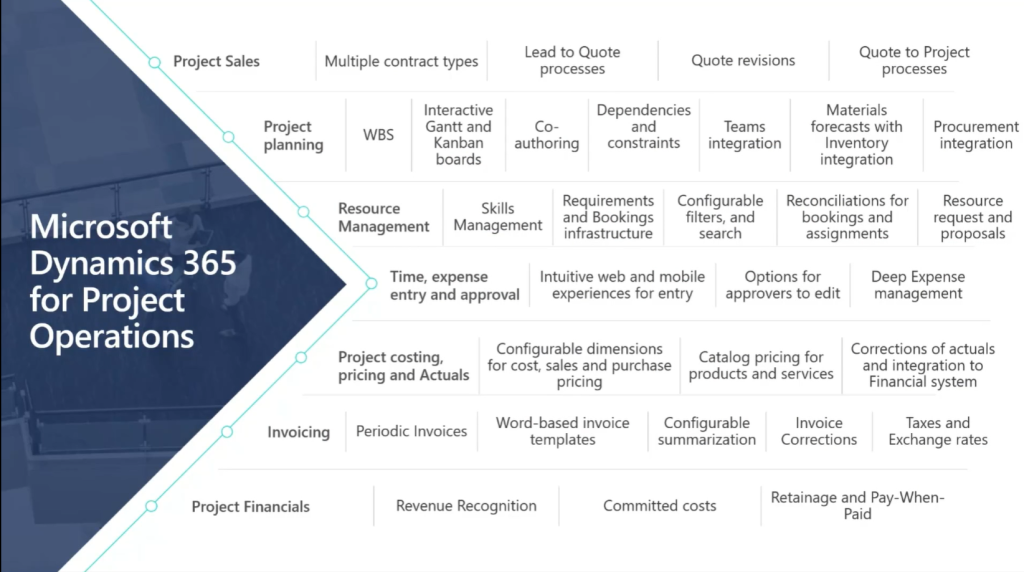
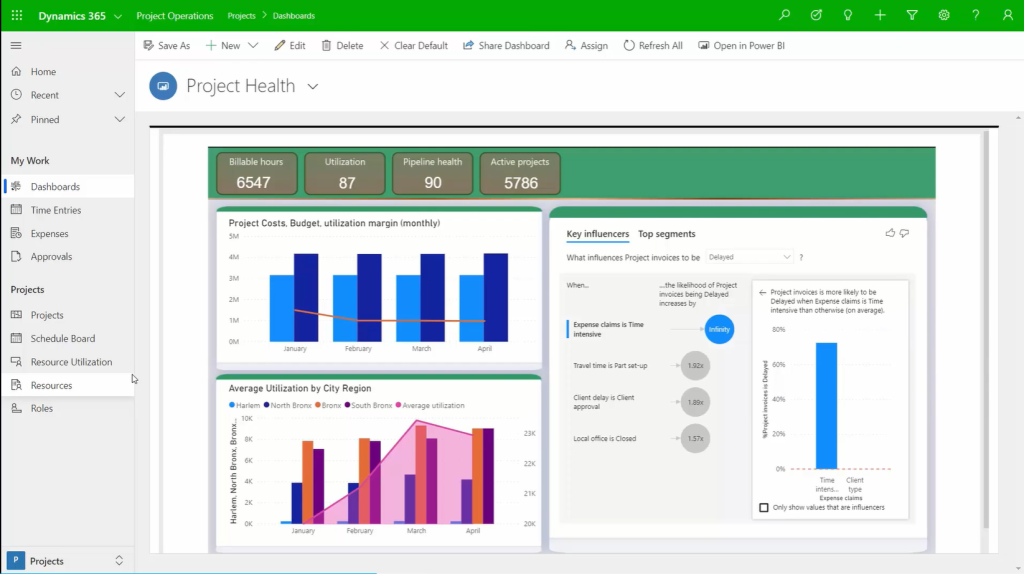
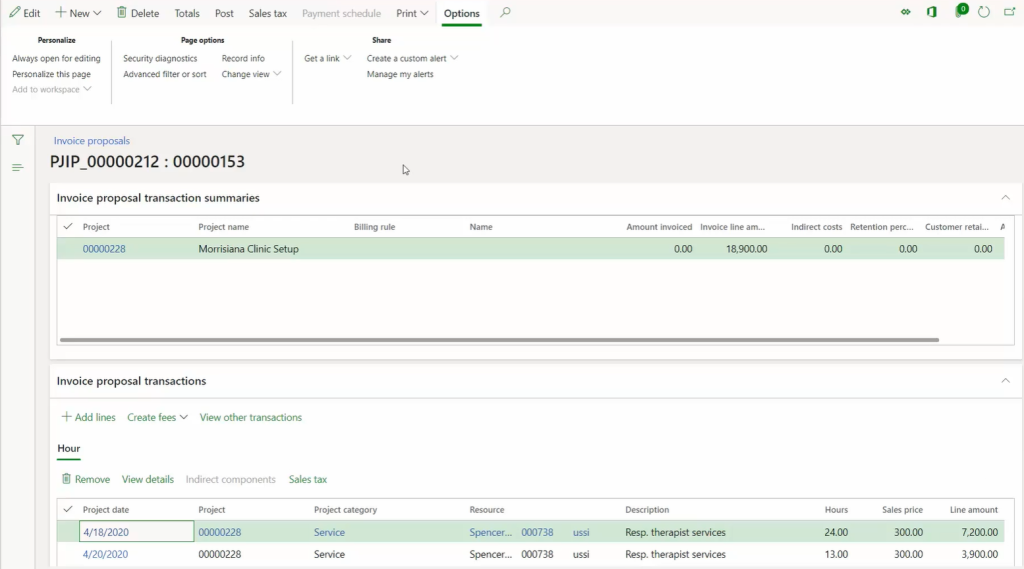
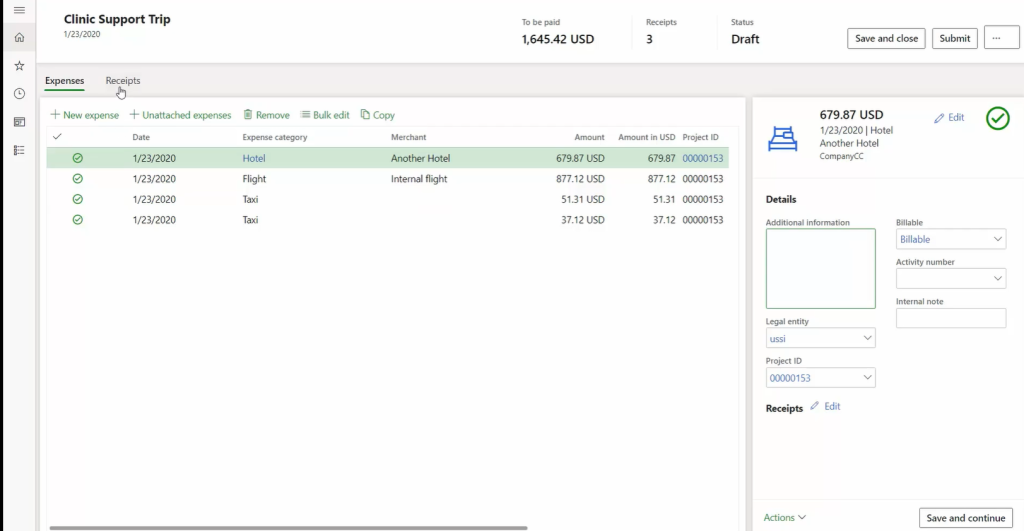
The project management and accounting functionality can be used in multiple industries to provide a service, produce a product, or achieve a result.
A project is a group of activities that is designed to provide a service, produce a product, or achieve a result. Projects consume resources and generate financial results in the form of revenues or assets.
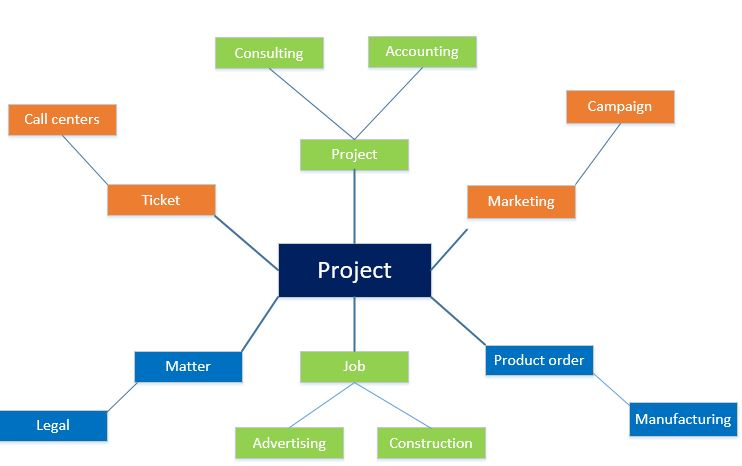
Projects across industries
The project management and accounting functionality can be used in multiple industries, as shown in the following illustration.
Initiate the project
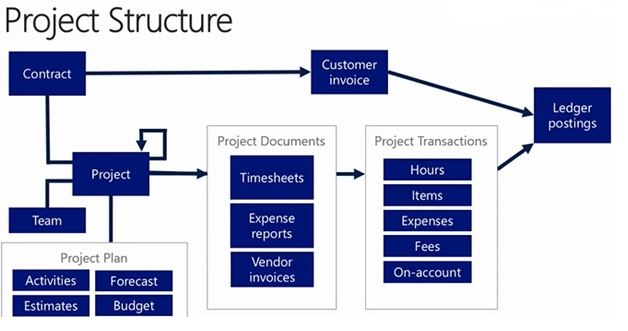
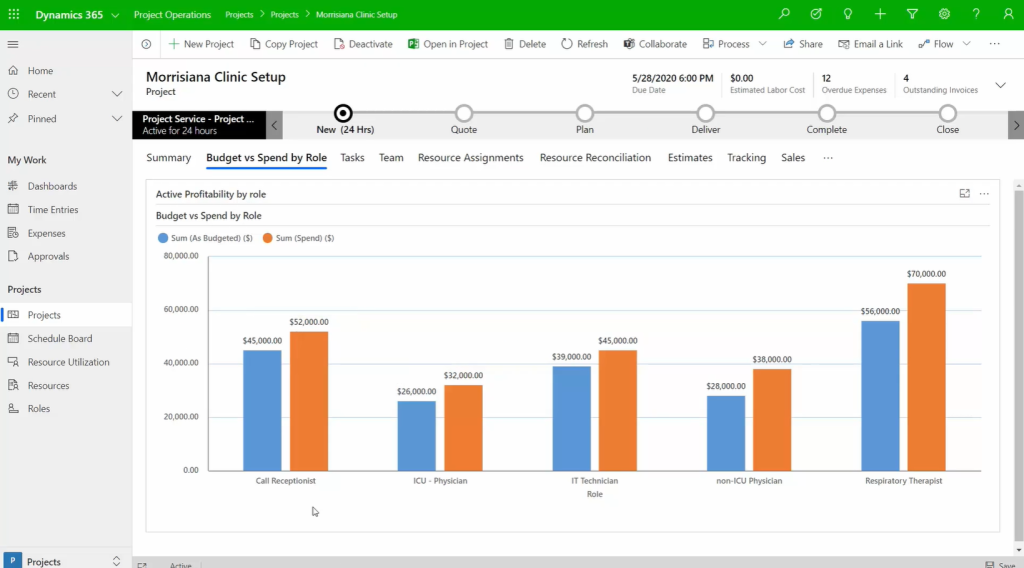
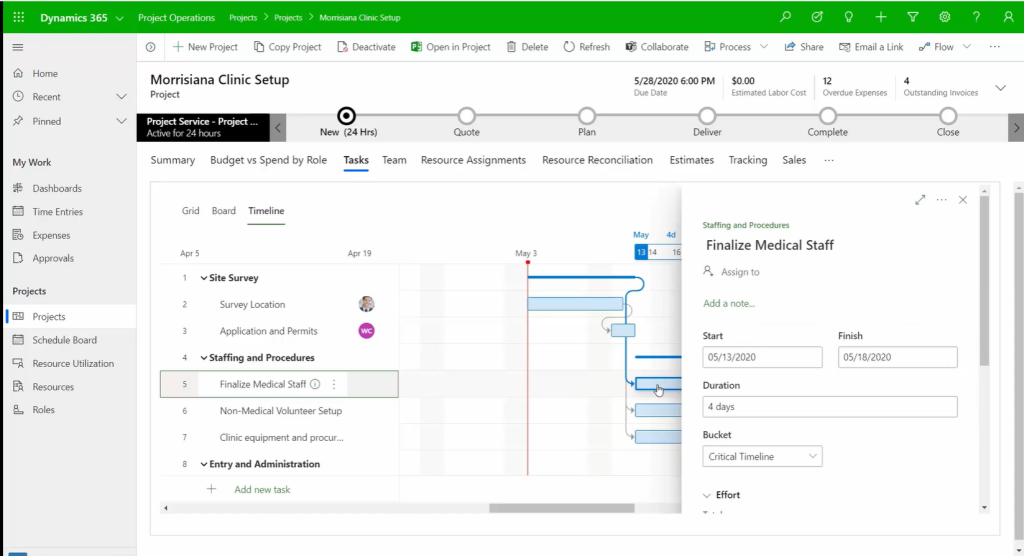
During project initiation, several key processes occur. You can use a project quotation to communicate the estimated labor, expenses, and materials to the customer. You can record the billing terms, limits, and agreements in a project contract. You can use a work breakdown structure (WBS) to plan and estimate the work. You can set up forecasts and budgets to guide the project execution. The following illustration shows the structure of a project.
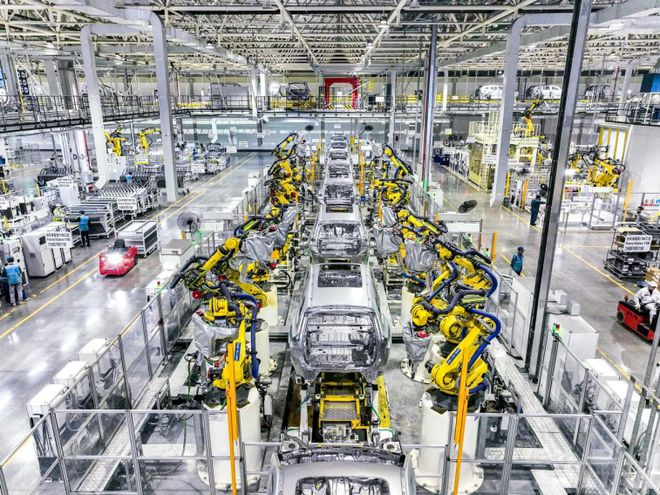
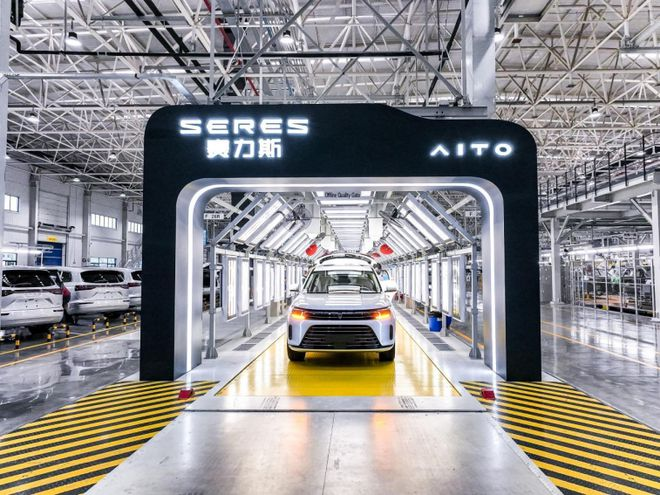
The smart factory is a concept used to describe the application of different combinations of modern technologies to create a hyperflexible, self-adapting manufacturing capability. Smart factories are an opportunity to create new forms of efficiency and flexibility by connecting different processes, information streams and stakeholders (frontline workers, planners, etc.) in a streamlined fashion.
Smart factory initiatives might also be referred to as “digital factory” or “intelligent factory.”
WHAT IS END-TO-END DIGITAL TRANSFORMATION SOLUTION
“Digital transformation” isn’t just a buzzword anymore.
Some companies treat it as a buzzword and nothing more. They talk about digital transformation without having any real digital transformation initiatives. These are likely the same companies that talk about their “disruptive technologies” that aren’t disrupting anything.
But an increasing number of businesses are recognizing the value proposition of digital transformation. They’re putting meaningful resources into actual digital transformation projects.
We’ve discussed digital transformation at length in this space. If you’re just joining us, we define “digital transformation” as…
The process of organizational change brought about by the use of digital technologies and business models to improve performance.
It’s not just about taking paper documents and putting them online—it’s about reimagining business processes in a digital world.
Digital transformation isn’t easy. It’s hard enough to improve a business process without developing a digital solution to implement it. But for companies that adopt it early and get it right, digital transformation can provide a competitive advantage by enabling them to deliver products and services faster, with higher quality and lower costs.
The more components of a business process that can be digitally transformed, the better. More companies are adopting a goal of end-to-end digital transformation: Applying digital transformation to all phases of a given business process.
Xiaomi is a China-based electronics manufacturer that has increased in worldwide popularity thanks to its line of mobile phones, tablets, and smart-home devices that it sells in more than 100 markets. As Xiaomi began expanding into overseas markets, it used siloed service tools and channels instead of an integrated service platform. This created challenges with providing a consistent customer service experience across countries, consolidating processes to support a fast global expansion, and accurately tracking spare parts. To gain a modern and integrated service experience, Xiaomi adopted Dynamics 365 Customer Service, Power Platform, Power Virtual Agents, and D365 Supply Chain Management. Using this combination of products, Xiaomi is now able to provide a comprehensive omnichannel experience for customers with live chats, customer calls, and email.
Growing around the world
Xiaomi is focused on being the most user-centric mobile internet company, with a vision to “make friends with users and be the coolest company in the users’ hearts.” The company aims to constantly exceed expectations through innovations with its mobile phones, tablets, and smart-home devices. Since its start in 2010, Xiaomi has grown rapidly, delighting the online following “Fans of Xiaomi” in China by expanding from mobile to IoT and developing its electronics markets overseas. The company made the Fortune Global 500 list for the fourth time, a ranking of 266—up 72 places compared to 2021. Xiaomi now has presence in more than 100 regions and countries, and its smartphone sales ranks within the top five in 62 global markets.
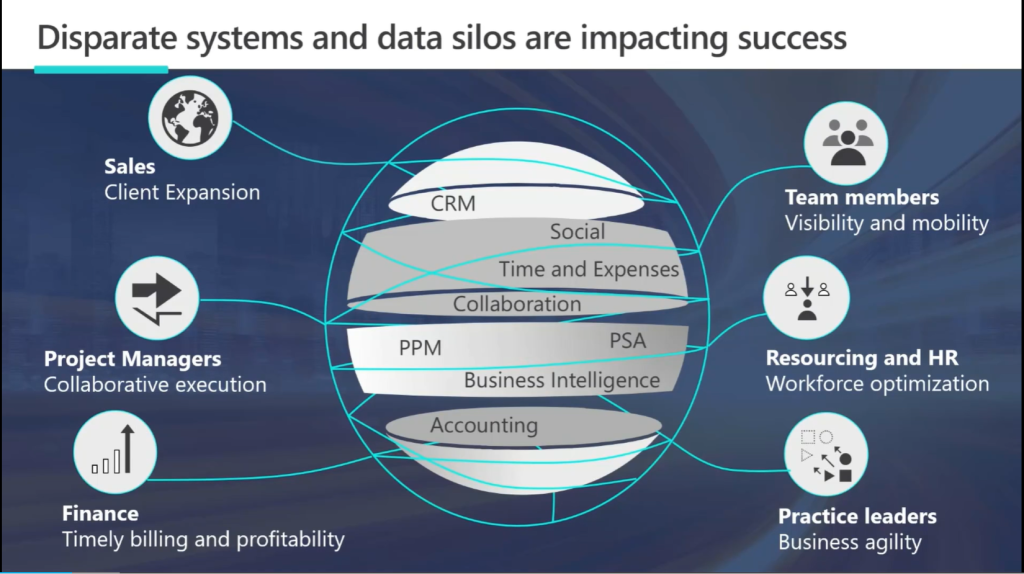
Making do with siloed tools
As Xiaomi experienced rapid growth and expansion, its self-developed, fragmented customer service system struggled to keep up with the massive demand for human resources and time. The system’s third-party apps were completely independent of one another, meaning that users needed to manually communicate information via phone and instant messaging tools. Customer service teams received customer requests from different channels, queried information in different systems, and then returned to the corresponding channel system for feedback.
Xiaomi was also seeking to improve visibility across its global post-sales supply chain for spare parts. Spare parts are crucial for product repairs, and being able to forecast the availability of parts helps Xiaomi estimate how long a repair might take. But Xiaomi didn’t have a unified data platform for tracking and managing parts, and its existing processes were heavily manual and required employees to have extensive and specialized knowledge of historical data. And, like the customer service system, the absence of integration among systems resulted in a lack of real-time information sharing.
“When starting this project, we needed to solve how to complete the docking with dozens of internal and external systems in six months, while considering the different usage habits of users around the world, and finally provide a unified, efficient and smooth experience,” says En Yang, IT Director at Xiaomi. “Most importantly, we needed to comply with local laws and regulations in the global implementation process.”
Improving internal processes
Xiaomi turned to Microsoft to replace its disparate system and build a unified customer relationship management (CRM) platform on Dynamics 365 Customer Service with some components of Power Platform and Dynamics 365 Supply Chain Management. “The Xiaomi team aimed to establish an efficient customer and post-sales management system. With the help of the lightweight PaaS service from Azure, the system can quickly connect with other business systems,” says Guijun Zhao, Chief Architect at Xiaomi. The switch from the self-developed customer service system to Microsoft Dynamics 365 Customer Service took half a year of demand research, solution design, development, and launch.
Xiaomi used Power Apps to create an app used by the front line to directly interact with customers and Power Virtual Agents for its AI service bot that handles general questions from customers. Dynamics 365 components include Customer Service for a unified system and better customer service agent experience, and Supply Chain Management for the overall spare parts supply chain.
Additionally, Xiaomi uses Azure Functions and Azure API Management to securely connect third-party business systems to internal business systems, and Azure Translator to quickly generate product manuals in multiple languages.
The new international customer service system supports multi-language capabilities, compliance, and unified management levels.
Building a comprehensive experience
Despite the huge obstacles brought by the outbreak of COVID-19, Xiaomi launched the new Dynamics 365 and Power Platform-backed customer service system globally in 2022. “In this project, Microsoft, as a software product provider, participated in the implementation process of the project from many aspects such as architecture design, security assessment, and best practices,” says Haiqiang He, Chief Architect at Xiaomi. “After the project is launched, it will continue to provide technical capabilities to help Xiaomi team improve its technical capabilities.” The new system has covered 34 countries and supported 19 languages, and the post-sales services have reached 80 countries and 10 regions. The spare parts system supports over 40 warehouses and 700 multi-level branch organizations in the world.
With Dynamics 365 Customer Service, the company has gained a unified workbench for multiple communication channels (online, email, social media) and for financial processes, data integration, and security authentication. Dynamics 365 Supply Chain Management helps employees provide an end-to-end spare-parts management system for pull-through planning and execution. The new system includes interoperability with peripheral systems like post-sales service and financial system settlement. It can also display the comprehensive online history of materials and processes, visualize the current inventory, and actively monitor and manage inventory levels in real time.
For now, Xiaomi is excited to add a unified customer service approach and enhance its global spare-parts supply to further its mission of exceeding customer expectations with fast deployment through Dynamics 365 and Power Platform. Mike Wan, Senior Manager at Xiaomi says, “Now, with the out-of-the-box features and flexible, open framework from Dynamics 365, the customer service teams can access multi-channel customer messages on a uniformed platform and handle them in a timely manner, creating an end-to-end, visual closed-loop management.”
To stay ahead of supply chain disruptions and keep up with ever-evolving customer demands, it’s time to transform your thinking from a legacy approach to a resilient manufacturing supply chain model.
Read the e-book Six Trends That Are Shaping Supply Chain Transformation for Manufacturers to learn:
Emerging trends in sustainability, customer experience, smart factories, automation, data management, and risk management.
How to create closer customer relationships and gain a competitive edge through e-commerce sales directly to customers.
Strategies to boost supply chain agility, visibility, and transparency with intelligent solutions.
How Microsoft Dynamics 365 is helping customers with supply chain resilience.
Eway Consulting Service (Shanghai) Co., Ltd. was established on June 21, 2022, registered in Building 1, No. 139, Rongmei Road, Songjiang District, Shanghai.
The business scope includes general projects:
technical services, technology development, technical consulting; Software outsourcing services; computer system services; Information system integration services; Information system operation and maintenance services; Information Technology Consulting Services; Intelligent control system integration; business management consulting;